
Greenfield vs Brownfield Control System Deployment Strategies
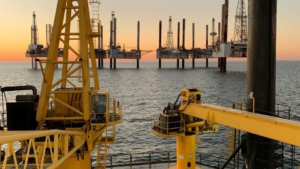
Choosing between greenfield and brownfield control system deployment is one of the most critical decisions industrial operators face. This article explores how petrochemical, refining, and power generation facilities can balance cost, risk, scalability, compliance, and modernization strategies to build future-ready operations.

The True Cost of Turbine Downtime – Why Control Systems Are Your First Line of Defense
Unexpected turbine downtime affects far more than equipment performance; it impacts revenue, operational continuity, compliance, and long-term asset reliability. This article examines how modern control systems help industrial operators detect faults earlier, improve response time, and prevent costly shutdowns before they occur.
Reactive to Predictive: How Real-Time Monitoring Is Transforming Turbomachinery Reliability
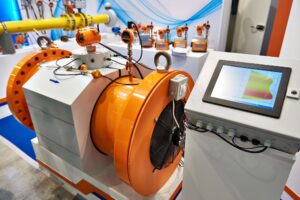
Unplanned turbomachinery failures don’t just damage equipment; they disrupt production, increase costs, and introduce operational risk across the facility. This article explores how predictive analytics, digital twins, and real-time monitoring are helping industrial operators detect problems earlier, reduce downtime, and build more resilient reliability programs.
Compliance Readiness: Meeting Evolving Control Standards
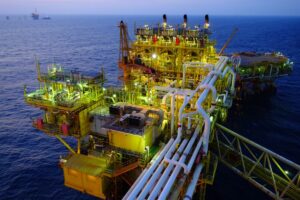
Control system compliance in hazardous and offshore environments demands more than adherence to standards. It requires engineering decisions that align classification, functional safety, and system architecture with evolving regulatory expectations.
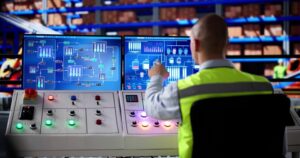
Lifecycle Analytics: Role in Turbomachinery Predictive Maintenance
Lifecycle analytics is the missing link between data collection and proactive decision-making in turbomachinery operations. This article explains how structured analytics, KPIs, and control integration transform raw data into measurable reliability gains.

Gas Gathering Systems – Design, Function, and Control
Gas gathering systems are among the most complex and failure-prone assets in oil and gas production, handling multiphase flow across vast and challenging terrain. This article explains how proper design, automation, and control strategies reduce risk, improve uptime, and ensure regulatory compliance.